
Greenleaf Cooking Blog
Explore evidence-based cooking techniques that enhance nutritional value, preserve nutrients, and support your wellness goals through mindful food preparation.
The information on this site is for educational purposes only and does not constitute medical advice. Always consult a qualified healthcare professional before making health decisions.
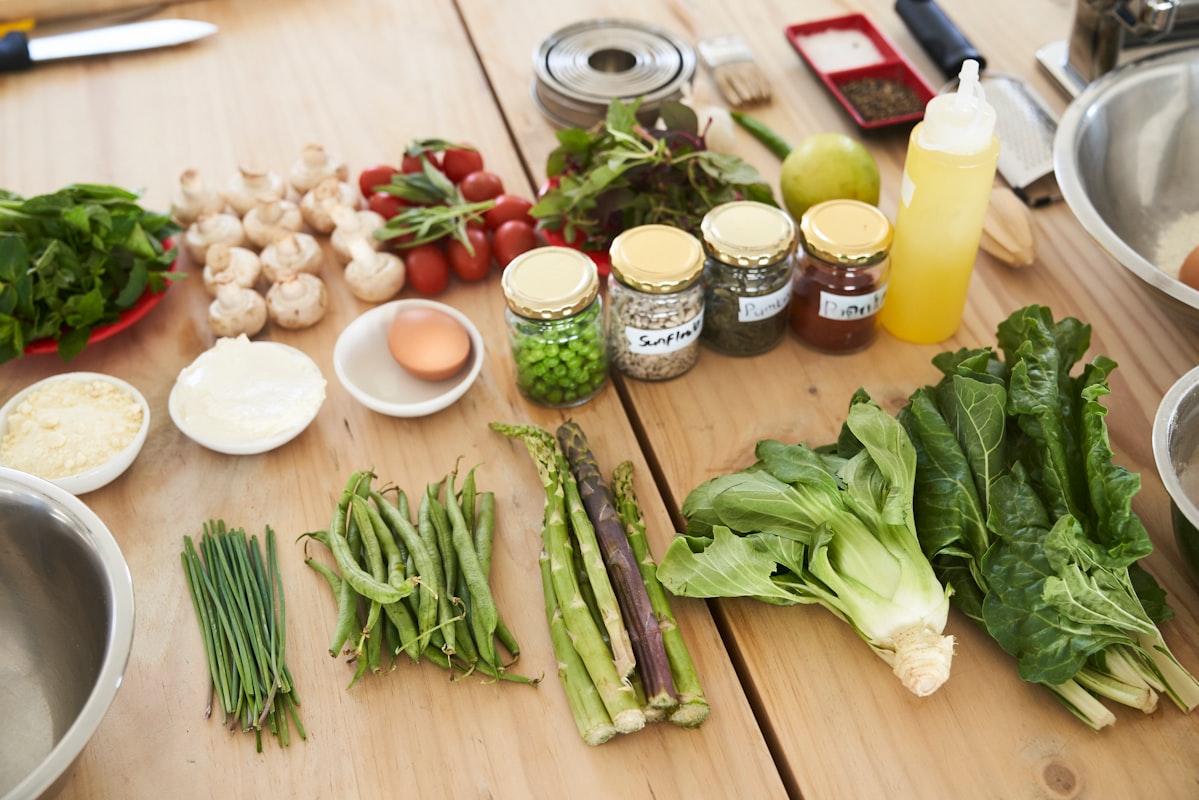
The Complete Guide to Steam Cooking for Maximum Nutrient Retention
Steaming is one of the gentlest cooking methods available, preserving heat-sensitive vitamins like B-complex and vitamin C that are often lost in high-heat techniques. Learn how to master steaming equipment and timing to keep vegetables crisp and nutrient-dense.
Read More
Raw vs. Cooked: Understanding Nutrient Bioavailability
Not all nutrients are better consumed raw. Some vegetables like tomatoes and carrots release beneficial compounds like lycopene and beta-carotene only when heated. Discover which vegetables benefit from cooking and which are best enjoyed fresh.
Read More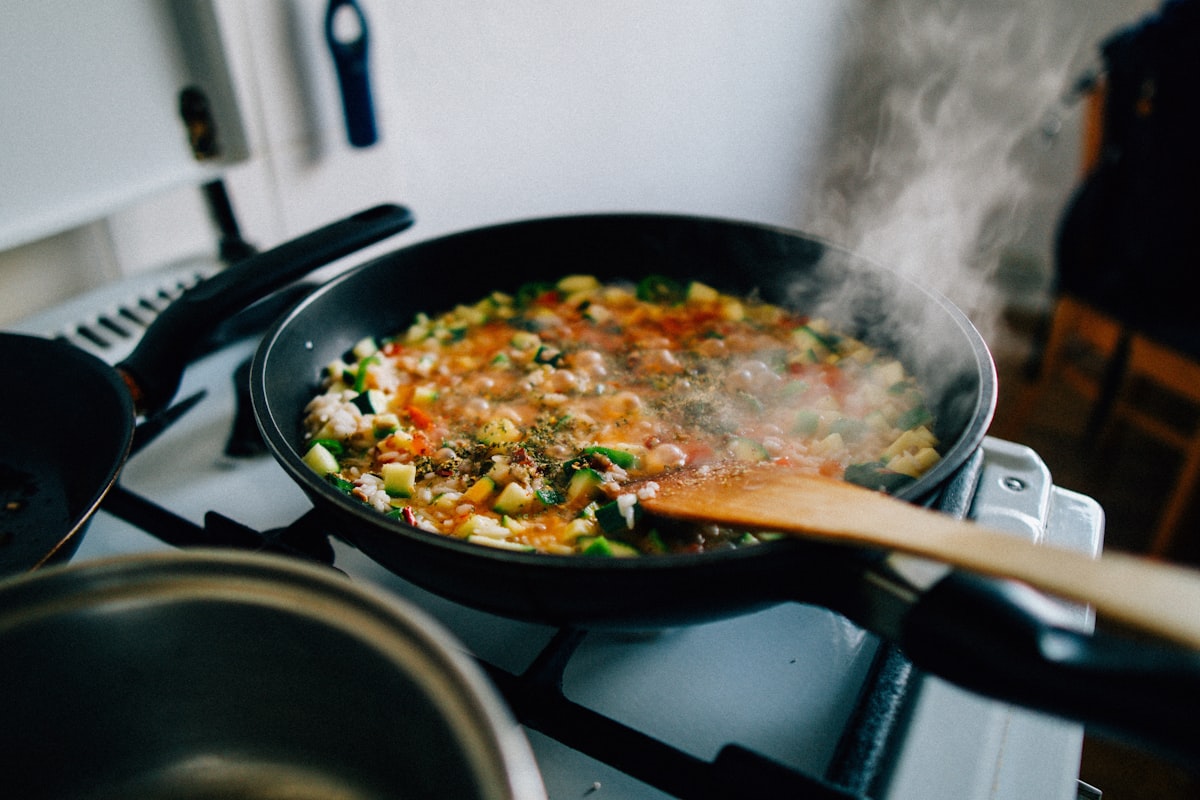
Slow Cooking: The Art of Low and Slow for Protein Optimization
Slow cooking at low temperatures makes proteins more digestible while breaking down collagen into gelatin and preserving amino acid profiles. Explore how this ancient technique supports mineral absorption and enhances food palatability.
Read More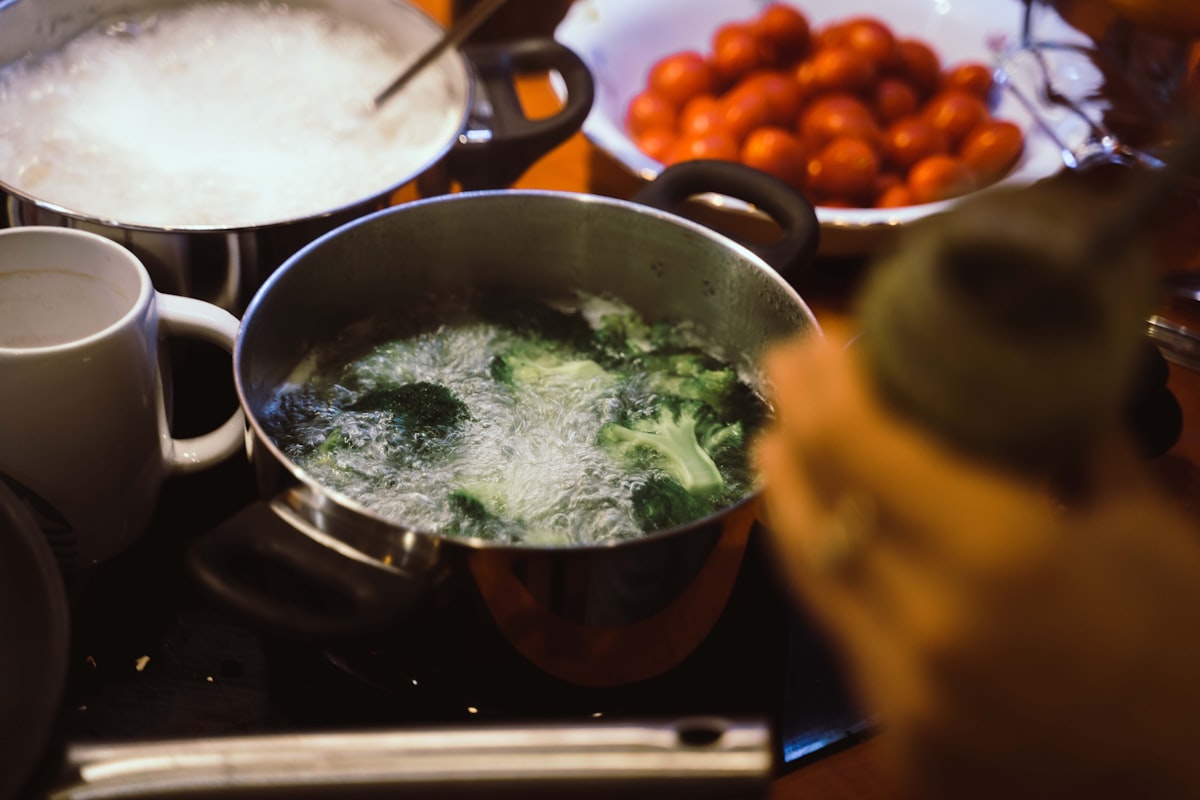
Smoke Points Explained: Choosing the Right Oil for Every Temperature
Cooking with oils above their smoke point creates harmful oxidized compounds that damage food quality and nutritional value. Learn the science behind smoke points and which oils are ideal for sautéing, baking, and finishing dishes.
Read More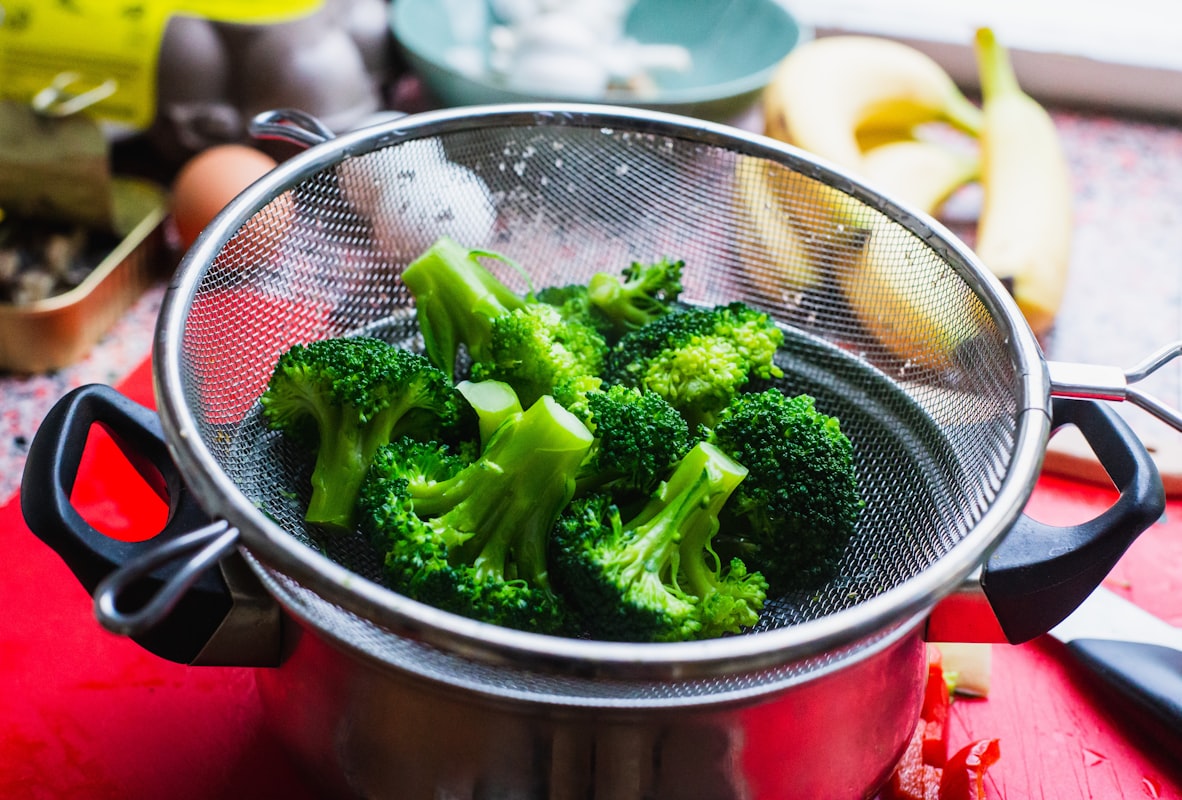
Fermentation: How This Ancient Technique Enhances Nutrient Absorption
Fermentation is not just a preservation method—it's a biological transformation that increases bioavailable nutrients, creates beneficial compounds, and supports digestive function. Discover the science behind traditional fermented foods like sauerkraut, miso, and tempeh.
Read More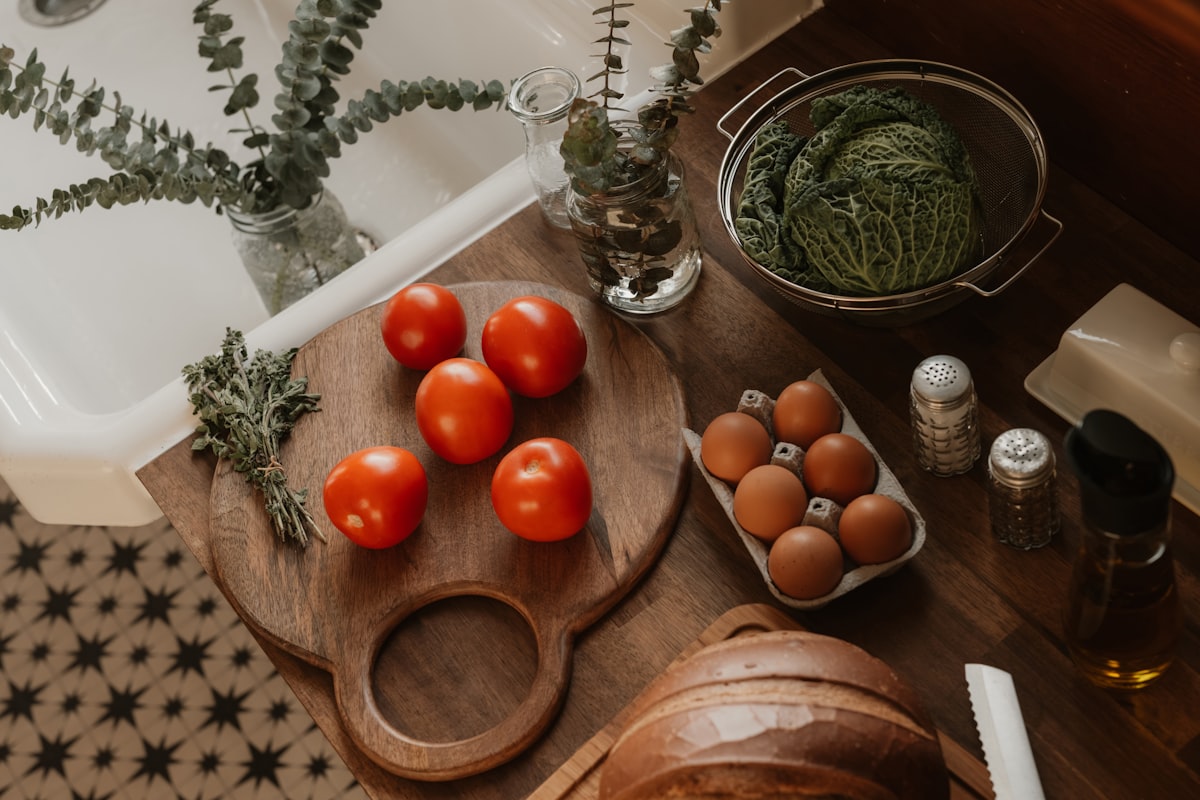
Smart Storage: Preserving Nutrients from Farm to Table
Nutrient loss begins the moment food is harvested. Temperature, light, and humidity all affect vitamin degradation and phytonutrient stability. Learn practical storage strategies to minimize oxidation and preserve the nutritional integrity of your ingredients.
Read MoreFeatured Deep Dive
Explore our comprehensive guides on essential cooking techniques and nutritional science.
Water Quality and Mineral Content: The Hidden Variable in Your Kitchen
The mineral content and pH of your cooking water directly influences texture, flavor, and nutrient extraction. Hard water can affect how legumes soften and how minerals bind in vegetables. This guide explores how to optimize water chemistry for different cooking applications and why this matters for consistent, nutritious results.
- Understanding pH and its effects on food chemistry
- Mineral content and nutrient bioavailability
- Practical filtration strategies for home cooks
Stay Informed on Cooking Science
Subscribe to receive articles on evidence-based cooking techniques and nutritional insights delivered to your inbox twice monthly.
We respect your privacy. Unsubscribe at any time.
Additional Resources
Frequently Asked Questions
Common questions about cooking techniques, food preparation, and nutritional considerations answered by our editorial team.
Browse FAQsEditorial Standards
Learn about our commitment to evidence-based information, content standards, and how we approach nutrition and cooking topics responsibly.
View StandardsContact Our Team
Have feedback on our articles? Want to suggest topics? Send your thoughts to our editorial team for consideration in future content.
Send FeedbackExplore More Articles
Greenleaf Cooking brings you research-informed perspectives on food preparation, ingredient science, and the relationship between cooking techniques and nutritional value.