
Pro Tip: The way you cook influences how your body absorbs nutrients. Discover techniques that maximize nutritional value.
The information on this site is for educational purposes only and does not constitute medical advice. Always consult a qualified healthcare professional before making health decisions.
Master Cooking Techniques for Optimal Nutrition
Learn how scientific cooking methods preserve vitamins, enhance mineral absorption, and unlock the full nutritional potential of your ingredients. At Greenleaf Cooking, we translate nutritional science into practical kitchen strategies.
Whether you're steaming vegetables, preparing proteins, or extracting nutrients from whole grains, the technique you choose directly impacts what your body receives.
- Evidence-based cooking methods that preserve essential nutrients
- Practical techniques for everyday kitchen use
- Detailed guides on ingredient preparation and cooking temperatures
- Expert insights into how different cooking methods affect food composition
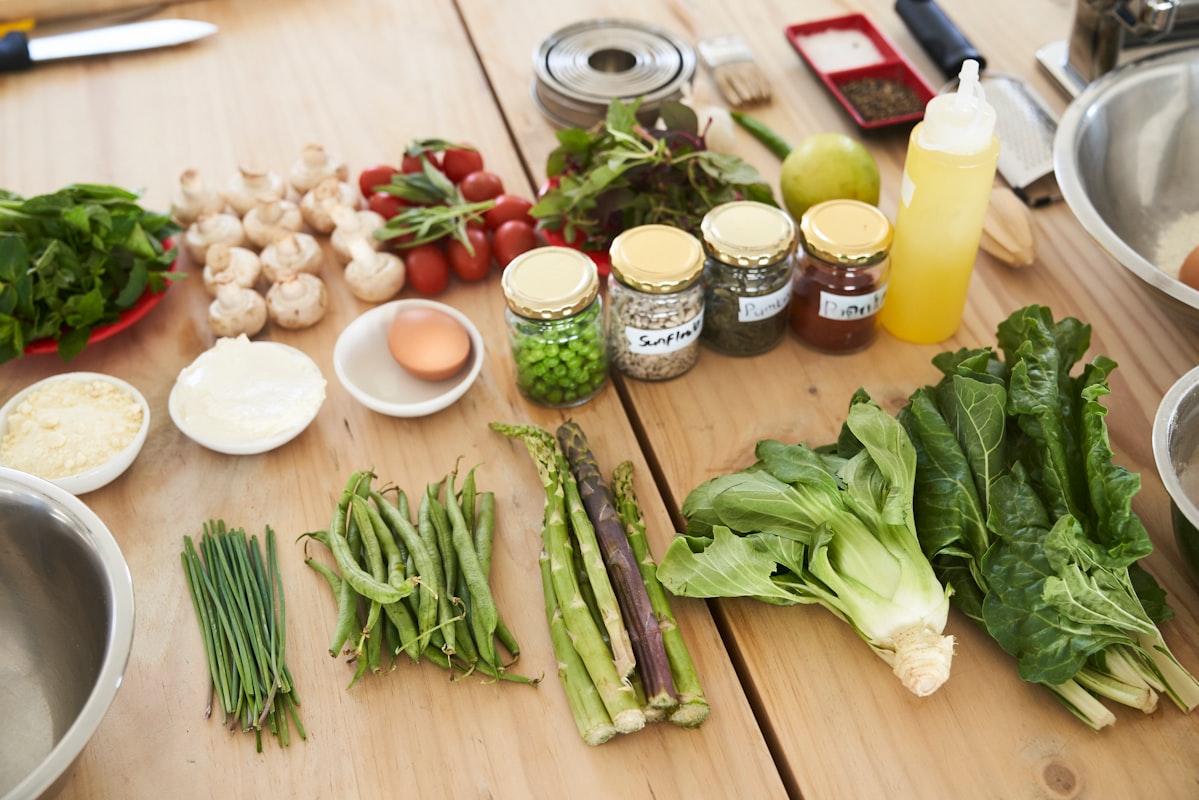
Cooking Techniques That Preserve Nutritional Value
Explore evidence-based methods for preparing foods while maintaining vitamins, minerals, and bioavailable compounds.
Steaming & Water-Based Methods
Learn why steaming preserves heat-sensitive vitamins better than boiling. Discover optimal cooking times and water temperatures for broccoli, leafy greens, and root vegetables to maximize nutrient retention.
Roasting & High-Heat Cooking
Understand how controlled roasting enhances nutrient bioavailability in carotenoid-rich vegetables. We cover temperature guidelines, timing strategies, and how to minimize nutrient loss during browning.
Raw & Minimal Processing
Explore when eating raw foods maximizes nutrition, and when minimal cooking improves nutrient absorption. Learn proper washing, chopping, and storage techniques for fresh ingredients.
Fermentation & Soaking
Discover how fermentation and soaking enhance mineral bioavailability and create beneficial compounds. Detailed guides for grains, legumes, and vegetables using traditional preparation methods.
Slow Cooking & Low-Temperature Methods
Learn how slow cooking preserves delicate vitamins while breaking down tough plant fiber for better nutrient absorption. Optimal time and temperature guidelines for different ingredient types.
Protein Preparation Methods
Understand how cooking temperature affects protein structure and amino acid availability. Evidence-based guidance for fish, poultry, meat, and plant-based proteins to optimize digestibility.
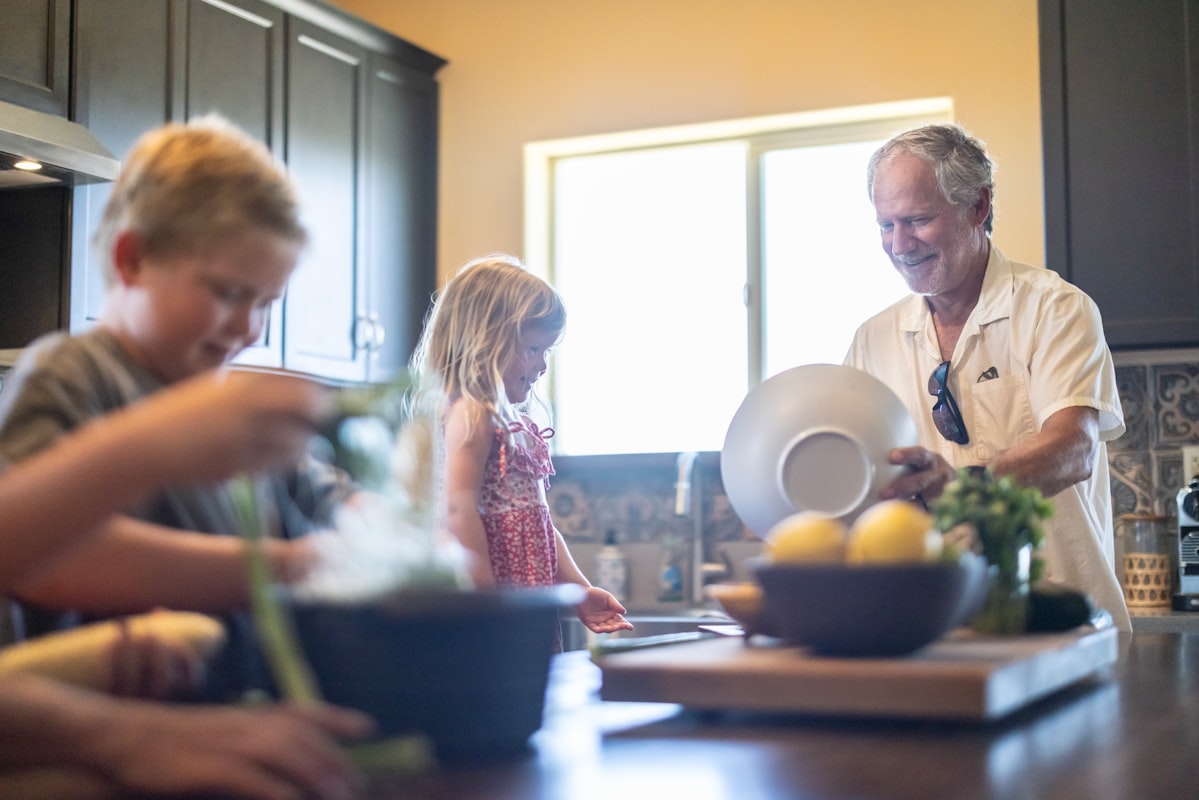
Why Choose Greenleaf Cooking for Nutrition Education
We bridge the gap between nutritional science and practical cooking. Our editorial approach focuses on research-backed techniques you can implement immediately in your own kitchen.
Evidence-Based Content
Every technique and recommendation is grounded in nutritional science and peer-reviewed research, not trends or marketing claims.
Practical Kitchen Guidance
We focus on real-world applications with specific temperatures, times, and step-by-step instructions you can follow at home.
Scientific Accuracy
Our team reviews nutritional literature to explain how cooking methods affect nutrient bioavailability and food composition.
Locally Relevant for Germany
Our content addresses seasonal ingredients available in German markets and traditional preparation methods from the region.
Latest Content on Cooking & Nutrition
Discover our most recent articles exploring how specific cooking techniques influence nutrient retention and food quality.
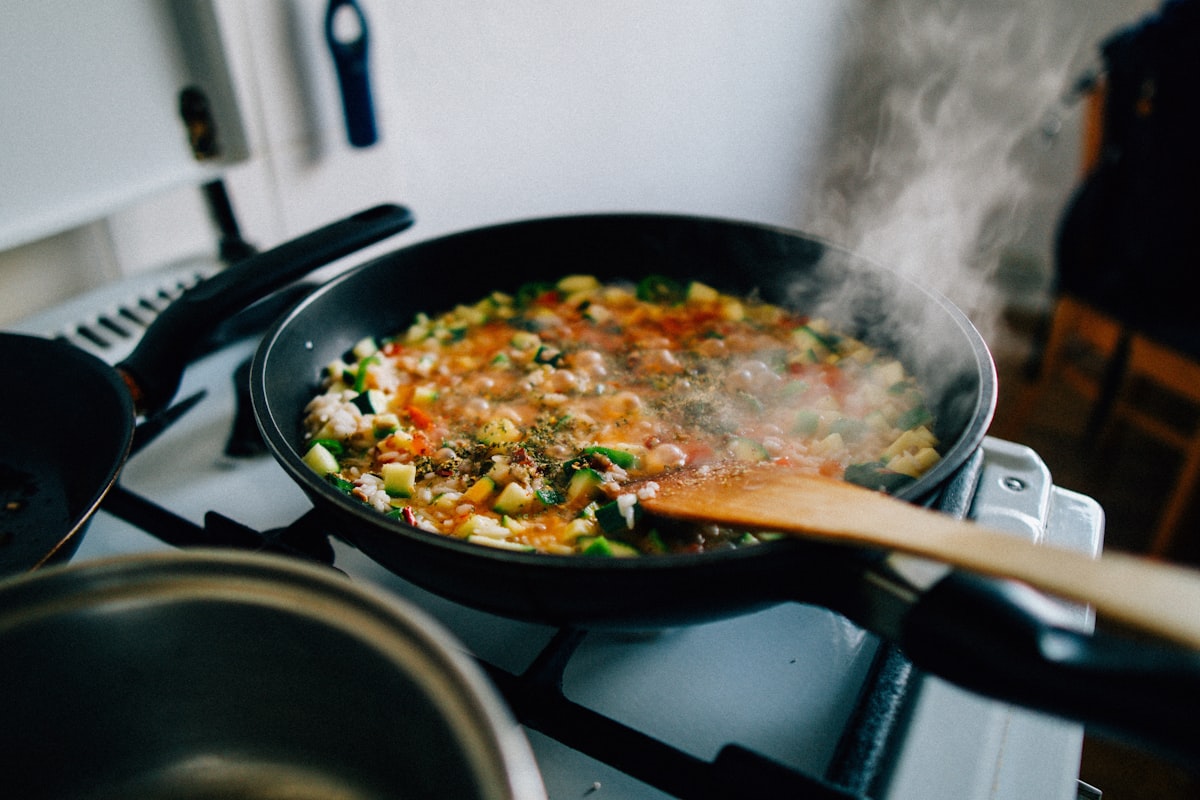
Steaming vs. Boiling: Which Preserves More Nutrients?
A detailed comparison of water-based cooking methods and their impact on vitamin retention in cruciferous and leafy green vegetables.
Read Article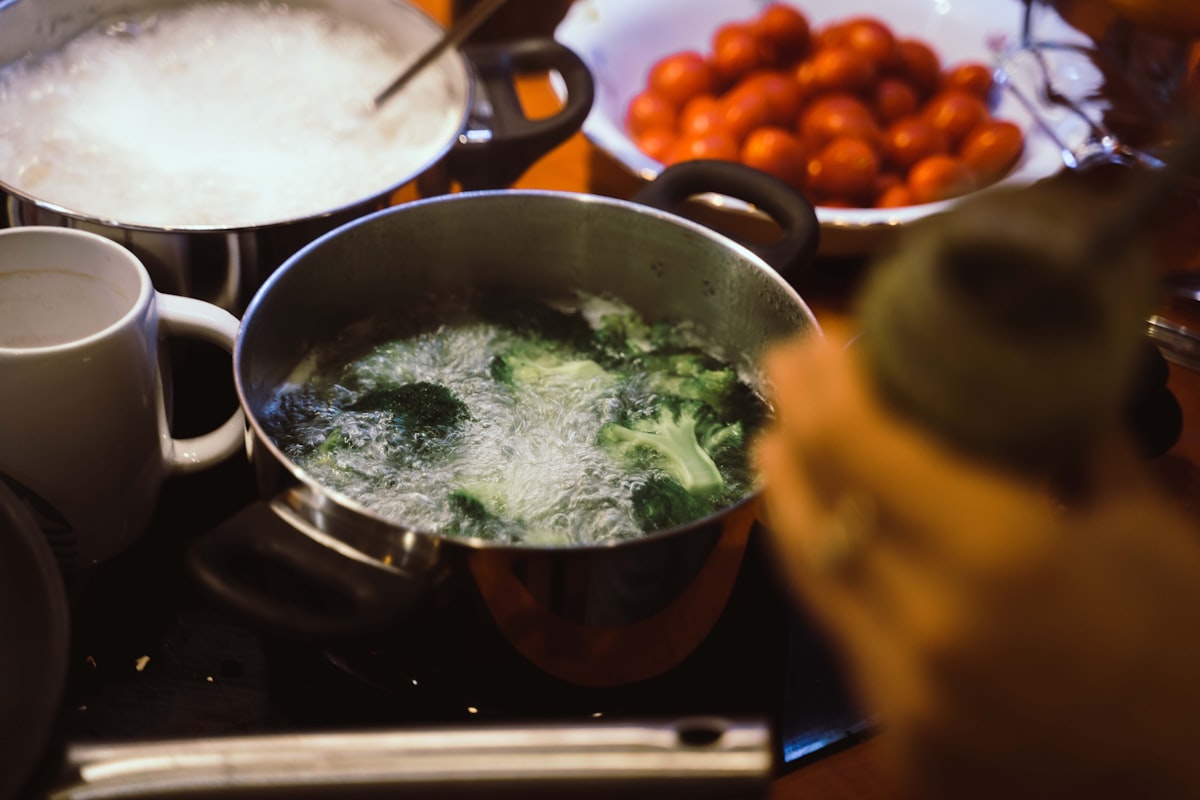
Optimal Cooking Temperatures for Protein Quality
Understanding how temperature affects amino acid availability and digestibility across different protein sources from meat to legumes.
Read Article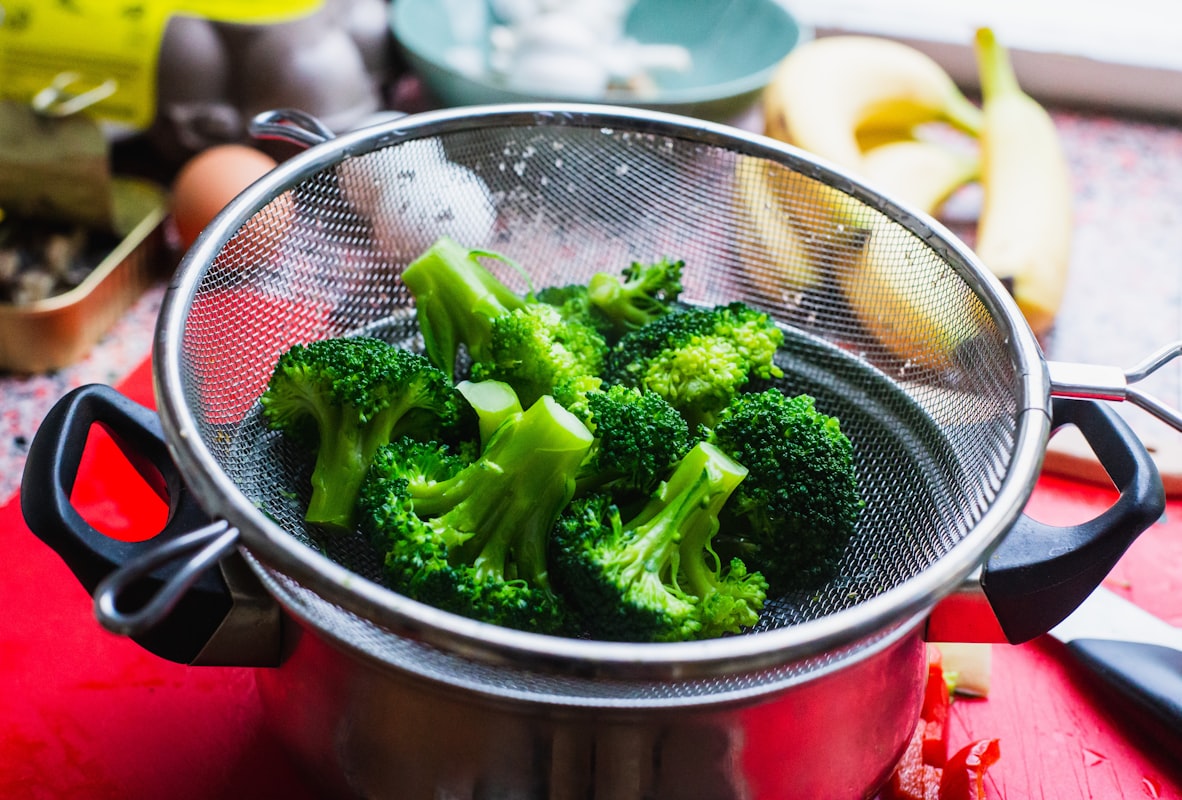
Fermentation as a Preparation Technique
How traditional fermentation methods enhance mineral bioavailability and create beneficial compounds in vegetables, grains, and legumes.
Read ArticleWhat Readers Say About Our Content
Real feedback from people who've applied our cooking techniques and nutrition guidance in their own kitchens.
I've completely changed how I prepare vegetables after reading the steaming guides. The specific temperature and timing recommendations were so helpful. My family actually noticed that our vegetables taste better and seem more vibrant. The science explanations make it clear why these techniques matter, not just that they do.
Anna Mueller
Stuttgart
As someone trying to optimize my nutrition, I found the protein preparation article incredibly detailed and practical. I learned that I was actually overcooking my fish. The cooking temperature recommendations are precise, backed by research, and easy to follow. No vague instructions here—just solid science you can implement immediately.
Klaus Hoffmann
Munich
The fermentation guide transformed how I prepare grains and legumes. I appreciate that Greenleaf Cooking explains the why behind each technique, not just the what. The instructions are clear, the information is current, and everything is based on real nutrition science. This is exactly the kind of practical, evidence-based content I've been searching for.
Sarah Bauer
Berlin
I often recommend Greenleaf Cooking articles to my study group. The way they connect food science to everyday cooking is exceptional. The content is well-researched, the explanations are thorough, and the practical applications are immediately useful. This is a valuable resource for anyone serious about understanding nutrition.
Marcus Richter
Cologne
Frequently Asked Questions
Common questions about cooking techniques, nutrition preservation, and how to apply our guides in your kitchen.
Does boiling vegetables always destroy nutrients?
Not entirely. While boiling can leach water-soluble vitamins, some nutrients remain in the vegetables themselves. The loss depends on cooking time, temperature, and which nutrients you're concerned about. Steaming typically retains more vitamins, but our detailed comparison article explores the nuances for different vegetables.
What's the ideal temperature for cooking fish to maintain protein quality?
Our protein preparation guide recommends 60-65°C internal temperature for fish, which reaches food safety standards while preserving amino acid structure better than higher temperatures. We provide specific timing based on fish type and thickness.
How long should I ferment grains, and does it really improve nutrient absorption?
Fermentation for 8-24 hours (depending on grain type and temperature) significantly reduces phytic acid, which binds minerals and reduces bioavailability. Our fermentation article details the science, the step-by-step process, and explains which nutrients benefit most from this preparation.
Is raw food always more nutritious than cooked food?
No. While raw vegetables retain heat-sensitive vitamins, some nutrients like lycopene in tomatoes and beta-carotene in carrots become more bioavailable when cooked. Our content explains which foods are better raw and which benefit from cooking.
How do I know if I'm cooking vegetables at the right temperature?
We recommend using a kitchen thermometer for precision, but our guides also include visual cues and texture descriptions for each cooking method. Our articles provide specific temperature targets and timing for steaming, roasting, and boiling different vegetable types.
Where does Greenleaf Cooking source its nutrition information?
Our editorial team reviews peer-reviewed nutrition research, food science literature, and established dietary guidelines. We cite key sources and explain the methodology behind our recommendations. All claims are grounded in published scientific evidence, not marketing claims or trendy wellness ideas.
Start Optimizing Your Cooking Today
Explore our full collection of articles on cooking techniques, nutritional science, and practical kitchen guidance. Discover how small changes in your cooking methods can significantly impact the nutritional value of your meals.
Stay Updated on Nutrition & Cooking Science
Get access to the latest articles on cooking techniques, ingredient preparation guides, and nutritional science delivered to your inbox. Join readers across Germany who are transforming their kitchen practices with evidence-based information.
We share practical cooking guides and nutrition insights. No commercial promotions. Privacy Policy