Master the Art of Nutritious Cooking
Discover how proper cooking techniques preserve nutrients, enhance flavors, and transform your approach to everyday meals. Learn from Greenleaf Cooking's comprehensive guide to kitchen science.
The information on this site is for educational purposes only and does not constitute medical advice. Always consult a qualified healthcare professional before making health decisions.
Why Cooking Technique Matters for Your Health
The way you prepare food directly impacts the nutritional value of what you eat. Different cooking methods affect vitamin retention, mineral availability, and the bioavailability of beneficial compounds in vegetables, grains, and proteins.
Steaming preserves water-soluble vitamins, roasting develops beneficial compounds through the Maillard reaction, and slow-cooking makes minerals more accessible to your body. Understanding these distinctions allows you to maximize the nutritional potential of your ingredients.
- Preserve vitamin content and mineral density
- Enhance nutrient absorption and bioavailability
- Develop natural flavors without artificial additives
- Create balanced, satisfying meals consistently
Essential Cooking Techniques Explained
Steaming
Steaming uses moist heat to gently cook vegetables and proteins without direct contact with boiling water. This method preserves heat-sensitive B vitamins and vitamin C while maintaining vibrant colors and firm textures. Ideal for leafy greens, broccoli, carrots, and delicate fish fillets.
Roasting
Roasting applies dry, direct heat in an oven, caramelizing food surfaces and concentrating natural sugars. The Maillard reaction creates complex flavors while making certain nutrients like lycopene in tomatoes more bioavailable. Perfect for root vegetables, nuts, and lean proteins.
Slow Cooking
Low-temperature, prolonged cooking breaks down tough connective tissues and enhances mineral extraction, particularly from bone broths and legumes. This method allows for deep flavor development while maintaining nutrient integrity. Excellent for soups, stews, and whole grains.
Boiling
Boiling is a high-temperature method that cooks food quickly in water. While some water-soluble vitamins may leach away, this technique is effective for softening grains, cooking beans, and creating mineral-rich cooking water for broths. Best used strategically with minimal water.
Sautéing
Quick cooking in minimal oil or broth at controlled temperatures. Sautéing preserves nutrients better than deep frying while creating appealing textures and flavors. The brief cooking time and high heat lock in color and firmness. Ideal for seasonal vegetables and proteins.
Pressure Cooking
High-pressure steam cooking dramatically reduces cooking time while preserving most nutrients. This method is particularly effective for legumes and grains, making minerals more bioavailable while reducing anti-nutrients. A practical choice for busy schedules without sacrificing nutrition.
5-Step Cooking Method for Maximum Nutrition
Select Fresh Ingredients
Start with peak-ripeness produce and quality proteins. Fresh ingredients contain maximum nutrients before any cooking begins. Source locally when possible for ingredients at their optimal harvest.
Prepare Thoughtfully
Wash, peel, and cut ingredients just before cooking to minimize nutrient oxidation. Keep skins on vegetables when appropriate—many nutrients concentrate in the outer layers. Work efficiently to reduce exposure to air and light.
Choose Your Method
Match cooking techniques to specific ingredients and nutrients. Steam delicate vegetables, roast root vegetables, and slow-cook legumes. Consider which nutrients you're prioritizing and select heat levels accordingly.
Control Temperature & Time
Cook at appropriate temperatures and for minimal time necessary. Longer cooking at higher temperatures destroys heat-sensitive vitamins. Use timers and resist overcooking—food should be tender but not mushy.
Serve Immediately
Enjoy food fresh from the heat when nutrient content peaks. Reheating destroys additional vitamins and can alter beneficial compounds. Plan meal timing to serve at peak nutrition and palatability.
Nutrition Retention by Cooking Method
Vitamin C Retention
Mineral Bioavailability
Slow Cooking
Extended gentle heat extracts minerals into cooking liquid, making them more accessible for absorption by your body.
Pressure Cooking
High-pressure environment reduces anti-nutrients that inhibit mineral absorption, increasing overall nutrient accessibility.
Roasting
Caramelization creates new compounds and concentrates minerals through water loss, enhancing nutrient density.
Steaming
Minimal leaching of minerals into cooking water; nutrients remain in the food for direct absorption.
Common Questions About Healthy Cooking
Is Raw Food Always More Nutritious?
Not necessarily. While raw food preserves some heat-sensitive vitamins like vitamin C, cooking actually increases the bioavailability of other nutrients. Lycopene in tomatoes, beta-carotene in carrots, and minerals in leafy greens become more accessible after cooking. The optimal approach combines both raw and cooked foods strategically.
What Oil Should I Use for Cooking?
Choose oils based on their smoke points. Coconut oil, ghee, and avocado oil work well for high-heat roasting. Olive oil suits lower temperatures and finishing dishes. Store oils in cool, dark places to prevent oxidation. Each oil brings different flavor profiles and nutrient compositions to your cooking.
How Can I Preserve Cooking Liquid Nutrients?
Water from steaming or boiling vegetables contains water-soluble vitamins and minerals. Use this liquid as a base for soups, broths, or to cook grains instead of discarding it. This practice maximizes nutrient use and reduces waste. Cool and refrigerate cooking liquid promptly if not using immediately.
Does Meal Prep Reduce Nutritional Value?
Preparing ingredients in advance is fine, but cook them close to eating time when possible. Store prepared vegetables in airtight containers in the refrigerator to slow nutrient degradation. Consider which components can be prepped (grains, proteins) without significant nutrient loss, and assemble fresh components just before eating.
Is Microwaving Safe for Nutrition?
Microwave cooking can preserve nutrients effectively when done properly. The shorter cooking times often mean less nutrient loss compared to prolonged boiling. Use microwave-safe containers and minimal water. Microwaving works particularly well for vegetables and reheating, though oven roasting develops better flavors.
How Does Seasoning Impact Nutrition?
Herbs and spices contain beneficial compounds and antioxidants. Turmeric, ginger, garlic, and oregano offer their own nutritional benefits beyond flavor. Build flavor through proper technique rather than relying on salt alone. Fresh herbs added after cooking preserve their nutrient content better than dried spices cooked throughout.
Success Stories from Our Community
"Learning about steaming techniques completely transformed how I prepare vegetables. My family actually looks forward to meals now, and I feel confident that we're getting maximum nutrition from our food. The step-by-step guides made everything so clear and practical."
Maria Schneider
Stuttgart
"I never realized how much my cooking method affected nutrient retention until I read about the different techniques. Switching to pressure cooking for my legumes has been a game-changer. Now I understand the science behind healthy cooking instead of just guessing."
Hans Mueller
Berlin
"As someone who cooks daily for my family, this comprehensive guide has been invaluable. I love knowing exactly which techniques preserve which nutrients. The practical examples and temperature guidelines make it easy to apply immediately in my kitchen every single day."
Elena Koch
Munich
Transform Your Kitchen Habits Today
Start implementing these cooking techniques immediately and experience the difference that proper preparation methods make in your meals. Discover articles, guides, and practical recipes designed to enhance your nutritional knowledge.
Featured Resources from Greenleaf Cooking
Kitchen Equipment Guide
Learn about essential tools and equipment that support proper cooking methods and nutrient preservation.
Read More
Seasonal Ingredient Selection
Discover how to choose peak-season ingredients and understand their nutrient profiles for maximum benefit.
Read More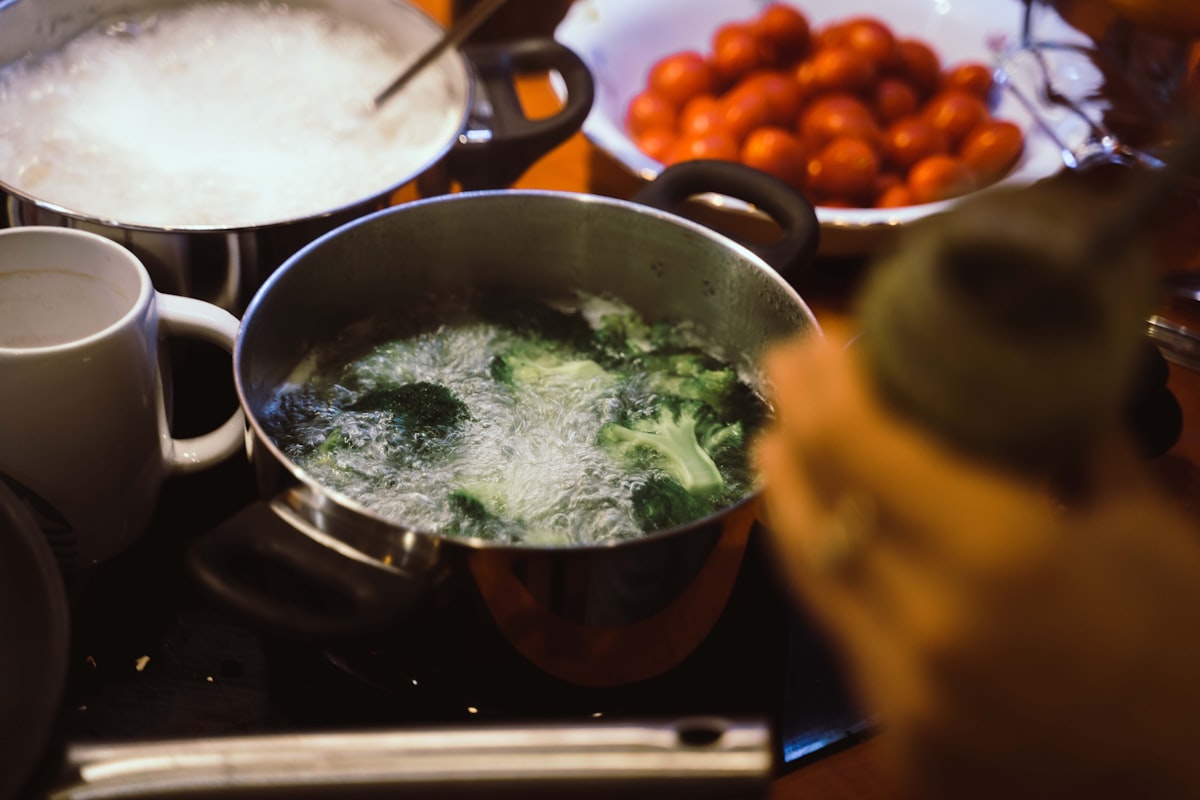
Meal Planning Strategies
Master the art of planning nutritious, balanced meals that save time and reduce food waste throughout the week.
Read MoreWhat Our Community Says
Real stories from home cooks who've transformed their kitchens with Greenleaf Cooking.
"Greenleaf Cooking completely changed how I approach food preparation. The recipes are intuitive, the ingredients are accessible, and the results are absolutely delicious. I've never felt more confident in the kitchen."
Sarah Mitchell
Home Cook, Portland
"The commitment to seasonal, sustainable ingredients is exactly what I was looking for. My family's meals have become healthier and more flavorful. Highly recommended for anyone serious about cooking."
James Rodriguez
Family Chef, Austin
"As a nutritionist, I appreciate the evidence-based approach to healthy cooking. The meal planning guides are scientifically sound and practical. My clients love the resources."
Emily Chen
Nutritionist, Seattle
Ready to Transform Your Kitchen?
Join thousands of home cooks who are discovering the joy of cooking with seasonal, sustainable ingredients.
Frequently Asked Questions
Everything you need to know about Greenleaf Cooking.
Are the recipes suitable for beginners?
Absolutely! Our recipes are designed for all skill levels. We provide detailed step-by-step instructions, ingredient substitutions, and helpful tips to ensure success in the kitchen, whether you're just starting out or looking to expand your cooking repertoire.
How do you determine seasonal ingredients?
We work with local farms, agricultural experts, and nutritionists to identify ingredients at their peak ripeness and nutritional value. Our seasonal guides are updated quarterly and vary by region to ensure you're always cooking with the freshest, most flavorful options available.
Do you accommodate dietary restrictions?
Yes! Our recipe database includes filters for vegetarian, vegan, gluten-free, dairy-free, and other dietary preferences. Each recipe is clearly labeled with allergen information and includes easy substitutions to customize meals for your dietary needs.
Is there a community forum to share experiences?
Our vibrant online community allows you to share photos, ask questions, exchange recipes, and connect with other home cooks. Join our forums, follow us on social media, or attend our monthly virtual cooking sessions to connect with fellow Greenleaf enthusiasts.
How can I contact support?
We're here to help! Reach out via our contact form, email us at [email protected], or call our customer service team at 1-800-GREENLEAF. We typically respond within 24 hours during business days.